
PEMF: FDA-Cleared Since 1979
A complete reference hub for the Pulsed Electromagnetic Field therapy (PEMF) mechanism domain that grounds the electromagnetic half of the Tesla BioLights S.E.A.D. System. Yasuda's 1954 piezoelectric bone observation. Bassett's 1974 Science clinical translation. The 1979 FDA 510(k) clearance. Pilla's four decades of mechanism research — ion cyclotron resonance, transmembrane potential modulation, adenosine receptor activation, nitric oxide signaling. Nine Journal essays, synthesized.
What PEMF is
Pulsed Electromagnetic Field therapy (PEMF) is the therapeutic application of time-varying low-frequency electromagnetic fields to biological tissue. Mechanistically grounded in Iwao Yasuda's 1954 observation that mechanical stress on bone tissue generates measurable electrical potential (the piezoelectric effect in bone), and translated into clinical practice by C. Andrew Bassett, R.J. Pawluk, and Arthur A. Pilla in their landmark 1974 Science paper "Augmentation of bone repair by inductively coupled electromagnetic fields" (PMID 4821965). In 1979, the U.S. Food and Drug Administration granted 510(k) clearance to EBI's Bone Growth Stimulator — the first PEMF device cleared for clinical use. More than a hundred subsequent FDA clearances have followed across spinal fusion, tibial fracture, cervical fusion, plantar fasciitis, edema, and post-surgical pain indications.
The molecular mechanism domain — extensively characterized by Pilla across four decades at Columbia University and Mount Sinai — includes ion cyclotron resonance, transmembrane potential modulation, adenosine receptor (A2A) activation, and nitric oxide signaling. The canonical 2012 reference: Pilla AA, "Electromagnetic fields instantaneously modulate nitric oxide signaling in challenged biological systems," Biochemical and Biophysical Research Communications 426(3):330-333 (PMID 22935403).
The Tesla BioLights connection
The Tesla BioLights S.E.A.D. System generates a pulsed electromagnetic field as a direct consequence of the Tesla coil's ultra-high frequency drive — the same engineering substrate that powers the noble gas plasma component, simultaneously produces the PEMF component. The mechanism by which Tesla BioLights produces its PEMF output is the same mechanism domain the peer-reviewed literature (Yasuda → Bassett → Pilla → FDA) has been characterizing for 70 years.
The nine essays
 Day 17 · Regulatory History
 Day 3 · Mechanism Foundation
 Day 27 · Mechanism Deep-Dive · Masterpiece
 Day 28 · Signaling Pathways · Masterpiece
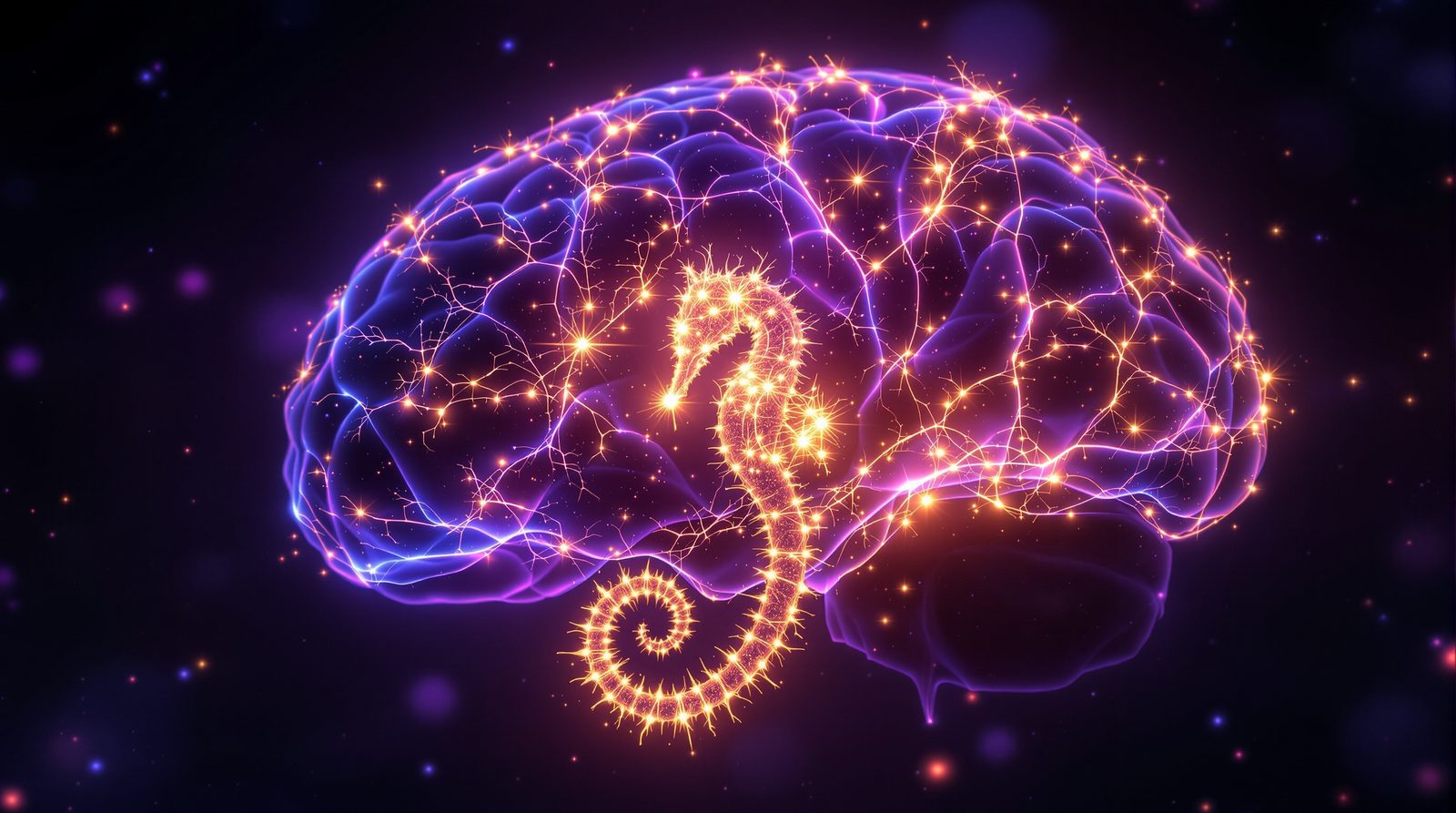 Day 29 · Calcium · Hippocampus · Masterpiece
 Day 4 · Cellular Interface
 Day 18 · Measurement
 Day 23 · Session Physiology
 Day 25 · Lineage Synthesis
The PEMF-specific citation stack
- Yasuda I. On the piezoelectric activity of bone. Journal of the Japanese Orthopedic Surgery Society. 1954;28:267-269.
- Bassett CAL, Pawluk RJ, Pilla AA. Augmentation of bone repair by inductively coupled electromagnetic fields. Science. 1974;184(4136):575-577. PMID 4821965.
- Pilla AA. Electromagnetic fields instantaneously modulate nitric oxide signaling in challenged biological systems. Biochem Biophys Res Commun. 2012;426(3):330-333. PMID 22935403.
- U.S. Food and Drug Administration. 510(k) clearance database, 1979 onward.
- Markov MS. Pulsed electromagnetic field therapy: history, state of the art and future. Environmentalist. 2007;27(4):465-475.
Related research hubs: PEMF Frequency Guide · PBM Mechanism Hub · Biophoton Research Hub · NIH Biofield Hub · Full 12-Domain Science Report · The 130-Year Lineage